Websites for electricians, built before you pay.
I build websites for electricians in Worcestershire and across the UK. Somebody has a dead ring main, or a letter asking for an EICR, and they ring the electrician whose website looks like it belongs to a real person with a real van. I build yours first, finished, and you only pay if you want it: £650, or nothing. I trained in plumbing and heating and ran my own firm with 7 full-time staff, so I know the trades.
£0 to see it finished
£650 if you want it live
Or WhatsApp me One message is enough to start.
 I’m Archie Spencer. I build every site myself.
5.0 on Google from 4 reviews. Read our reviews on Google (opens in a new tab)
“Really made things easy for me as I’ve got not much experience on computers, but he sorted everything.”
Real sites, live now. Open any of them.
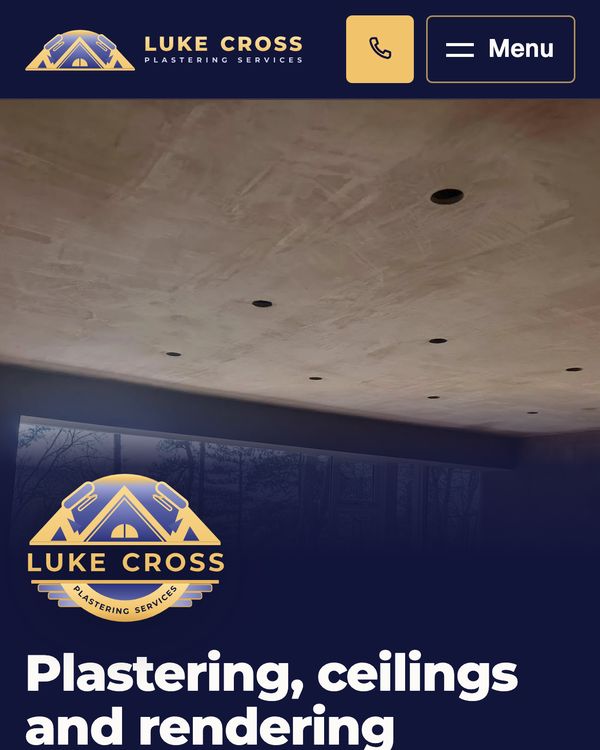
There is no electrician among my live sites yet. That is why yours is built first: you judge your own site, not a promise. The nearest match is Luke Cross Plastering, a plasterer near Bridgwater: one page built from photos of his own jobs, with every one of his Google reviews on it, word for word, and his number at the top.
-
Livelukecrossplastering.co.uk
Luke Cross Plastering
Plasterer, Bridgwater and Taunton
-
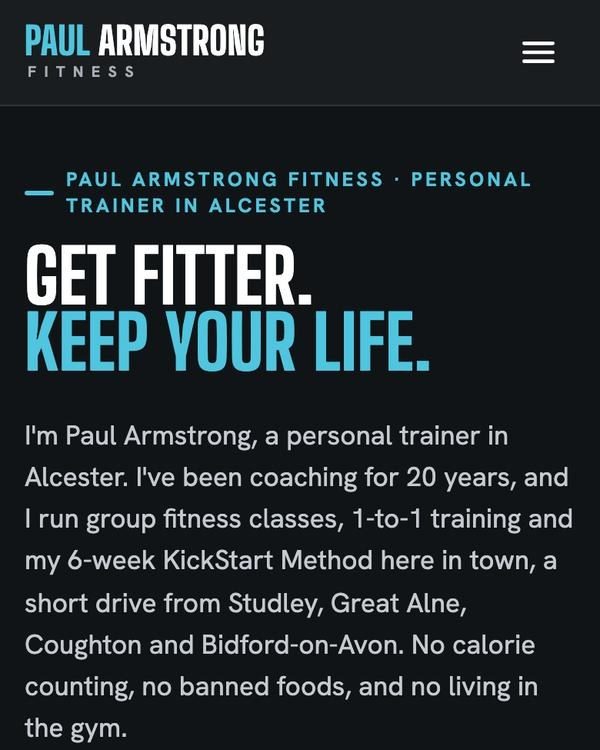
Livepaularmstrongfitness.co.uk
Paul Armstrong Fitness
Personal trainer, Alcester
-
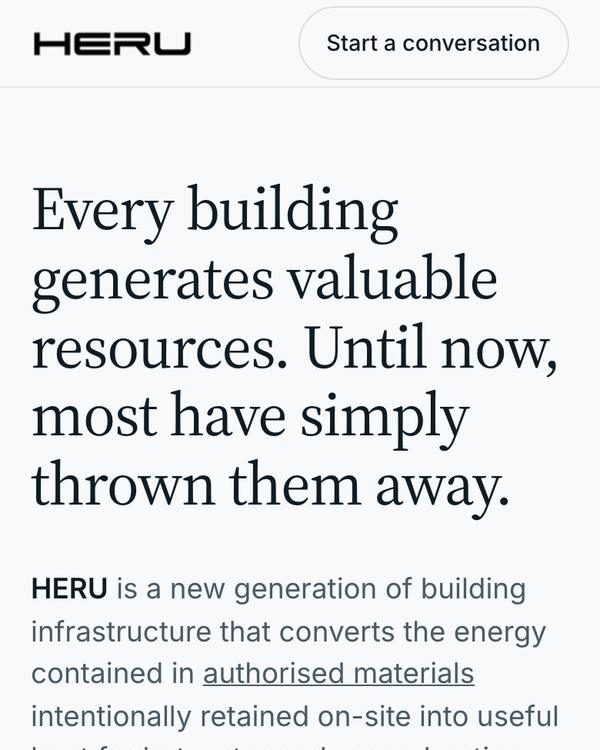
Livemyheru.com
HERU
Building infrastructure, Bidford-on-Avon
“If you're a small business needing a website, I'd definitely recommend him.”
Read it in full
Brilliant website and great support throughout. Archie built a new website for my fitness business and I'm really pleased with it. It's clean, looks professional and is easy to find your way around, which is exactly what I wanted.
I'm not techy at all, but Archie helped me through the whole process and explained everything I needed to do in plain English. Nothing was too much trouble. If you're a small business needing a website, I'd definitely recommend him.
I’ll build it first. You decide after.
Tell me the business name, the town, and the work you want more of. I send you three homepage designs within a day, then build the whole website in the one you pick, every page written, usually in about 2 days, and send you a link. Look at it in your own time, with whoever else has a say.
If you want it, it’s £650: a £162.50 deposit once you’re happy with the design, and the rest within 7 days of it going live. If you don’t, say so and it comes down. You pay nothing, and I won’t follow it up.
What is yours, and the small print
- Your domain (your web address, like yourbusiness.co.uk) is bought in your name, on your card. About £10 a year, paid to the company you buy it from, not to me. I send you a one-page guide to buying it.
- Every login is handed over in writing once it is paid for, and the hosting moves to an account in your name at no cost. Nothing is locked to me.
- No monthly fee unless you choose monthly care: £29 a month for up to five changes, stop any time.
- If you change your mind after saying yes, the 25% is kept for the work done. If I can’t get it live for a reason on my side, it comes back in full.
- You pay by bank transfer to the account named on the invoice. My bank details will never change by message.
What electricians need from a website.
Your scheme registration at the top of the page
NAPIT, NICEIC or ELECSA, with the number, on the home page where somebody sees it without scrolling. Registration is half of what a customer is actually buying: it means the notifiable work gets self-certified instead of the homeowner paying building control, and it means paperwork they can hand a buyer’s solicitor in four years’ time. If you are registered and your website does not say so straight away, you are wasting the strongest thing you have. The scheme badge belongs in the first band of the home page.
EICRs and certificates in plain words
Landlords and agents search for the certificate by name, not for “electrical services”. The site should say you carry out EICRs, what a C1, C2 or C3 result actually means for them, how remedial work gets priced, and that the report arrives as a PDF they can forward. Same for minor works certificates and a new consumer unit. Half the time the customer is buying a document as much as the work, so the document gets its own page.
EV chargers on their own page
It is a different customer from a dead socket. They have a car on order and a delivery date, and they are searching for the charger by name. Say which units you fit, whether the board or the main fuse needs looking at first, that you do the earthing and load check, and who handles the DNO notification. Lumped into a list of twelve services it never gets found. Give it a full page of its own.
Photographs of your own boards
A tidy consumer unit, cable dressed in, labels straight, the old one next to it. That is what makes a customer relax about letting you in the house. Stock pictures do the opposite the moment somebody notices, and people do notice: the green-lit fuse board that exists nowhere, the charge point fitted to a hedge. Every photo on the sites I build is the client’s own work, with number plates and house numbers blurred where they need to be.
Three routes off the home page, not one long list
A homeowner wanting downlights in a kitchen, a landlord with fifteen doors, a factory wanting machinery moved and a charging bay put in. They want different pages, different words, different proof. Domestic, commercial and industrial as three clear routes gets each of them to the right page in one tap, instead of one list that suits nobody.
Let them send you a photo of the board
Most of pricing a job is seeing what is already there. The quote form takes the customer’s own photos and shrinks them in the browser so they actually send, which means the first message you get already shows the board, the meter and the main fuse. You can answer with a real number instead of driving out to look at it.
What usually goes wrong.
Already got a website? Check your current one
It is the same handful of faults nearly every time.
The phone number is typed as plain text, or sat inside an image, so tapping it does nothing and the customer goes back to the search results. No town is named anywhere on the site, so somebody in Droitwich cannot tell whether you come out to Droitwich. The photos belong to somebody else: agency stock, or the AI-drawn fuse boards now turning up on trade sites, which anybody who works with their hands spots in a second.
No scheme badge, no registration number. A contact form that quietly stopped sending months ago and nobody checked. And underneath a fair few of them, a site rented from an agency for close to two hundred pounds a month, on terms that say the build stays theirs and it goes offline the day you stop paying.
Fair questions, answered plainly.
What electricians ask before they get in touch, with straight answers.
Guides
Fair questions
What should an electrician’s website show first?
Your scheme registration, NAPIT, NICEIC or ELECSA, with the number, at the top of the page. Then the work you do, split into domestic, commercial and industrial, and photographs of your own boards.
Should EV charger fitting have its own page?
Yes. It is a different customer from a dead socket: somebody with a car on order, searching for the charger by name. A page of its own says which units you fit and what the job involves.
Most of my work is word of mouth. Do I still need a website?
Yes. The person you were recommended to looks you up before they get in touch, and the website is what they find. More on why word of mouth still needs a website.
How much does an electrician’s website cost?
£0 to see it. £650 for the website built and live on your own domain: £162.50 when you say yes and £487.50 within 7 days of it going live. Or £900 with a year of changes, up to five a month. A one-page website is £350.
How long does it take?
Three homepage designs within a day, then usually about 2 days to build. Then you look at it in your own time, before deciding anything. Once you say yes, it goes live within 3 working days of your last change, and within 14 days at most.
What’s the catch?
Here is everything it can cost you. If it’s a no, nothing. If it’s a yes, 25% to go ahead: it is kept if you change your mind before the site goes live, and refunded in full if I can’t get it live for a reason on my side. The rest is due within 7 days of it going live. Your domain is about £10 a year, paid by you. Changes after it goes live are £50 for up to five, unless you have the year of changes or monthly care, and you send them to me: there is no editor to log into. And nobody can promise you a place on Google, me included.
yourbusiness.co.ukNot built yet
Send me your business and I’ll build it.
Your business name, what you do and where. That is enough to start. I build it, send you the link, and it costs you nothing to see it.
You deal with me, Archie Spencer. I build every site myself. I reply within 24 hours.
Said yes on a call already? You don’t need this form. Your link comes through on WhatsApp.
Got it, thank you. It has come straight to me.
I reply within 24 hours. Within a day I send you three homepage designs. Pick one and I build the whole website, usually in about 2 days. Nothing is payable unless you want it.
Got photos or a logo? Send them on WhatsApp, or email archie@archiespencer.com.
Send photos on WhatsApp