A website for your building firm, built before you pay for it.
I build websites for builders and property developers in Worcestershire and across the UK. Your jobs listed, your towns named, and a quote form that asks what you need to know before you get in the van. I build yours first, finished, and you only pay if you want it: £650, or nothing. I trained in plumbing and heating and ran my own firm with 7 full-time staff, so I know the trades.
£0 to see it finished
£650 if you want it live
Or WhatsApp me One message is enough to start.
 I’m Archie Spencer. I build every site myself.
5.0 on Google from 4 reviews. Read our reviews on Google (opens in a new tab)
“Really made things easy for me as I’ve got not much experience on computers, but he sorted everything.”
Real sites, live now. Open any of them.
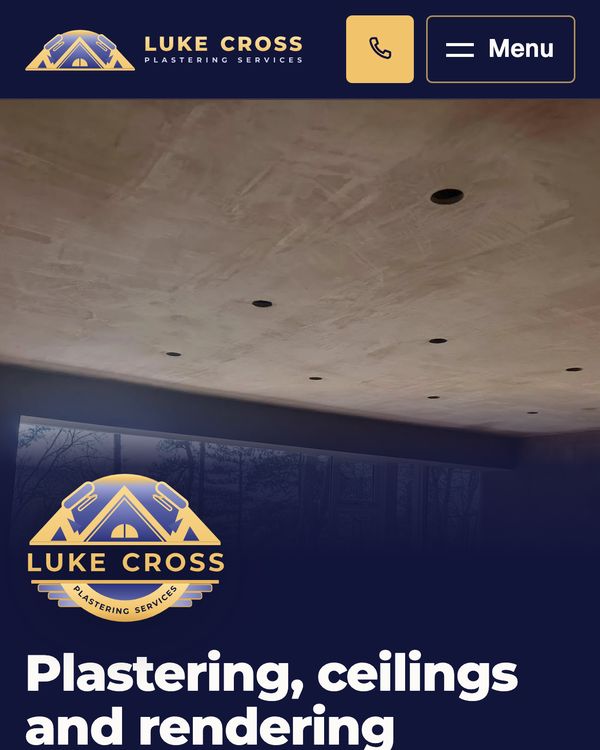
There is no building firm among my live sites yet. That is why yours is built first: you judge your own site, not a promise. The nearest match is Luke Cross Plastering, a plasterer near Bridgwater: one page built from photos of his own jobs, with every one of his Google reviews on it, word for word, and his number at the top.
-
Livelukecrossplastering.co.uk
Luke Cross Plastering
Plasterer, Bridgwater and Taunton
-
Livepaularmstrongfitness.co.uk
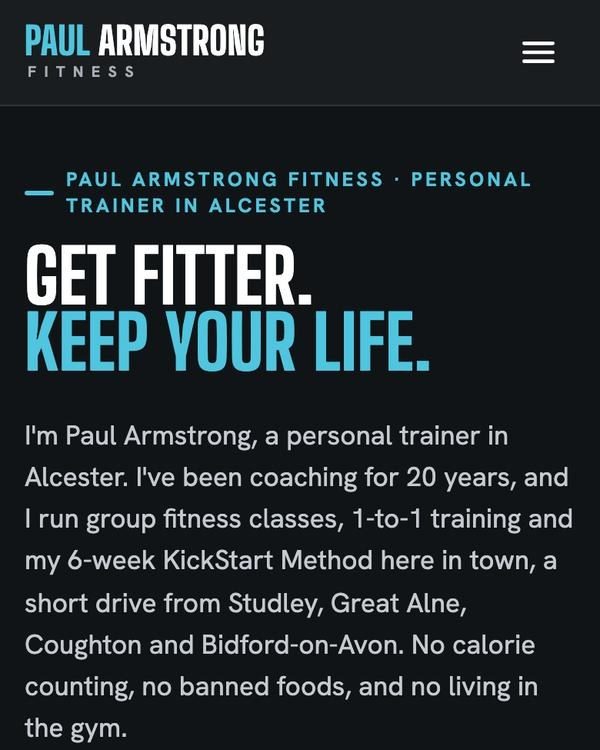
Paul Armstrong Fitness
Personal trainer, Alcester
-
Livemyheru.com
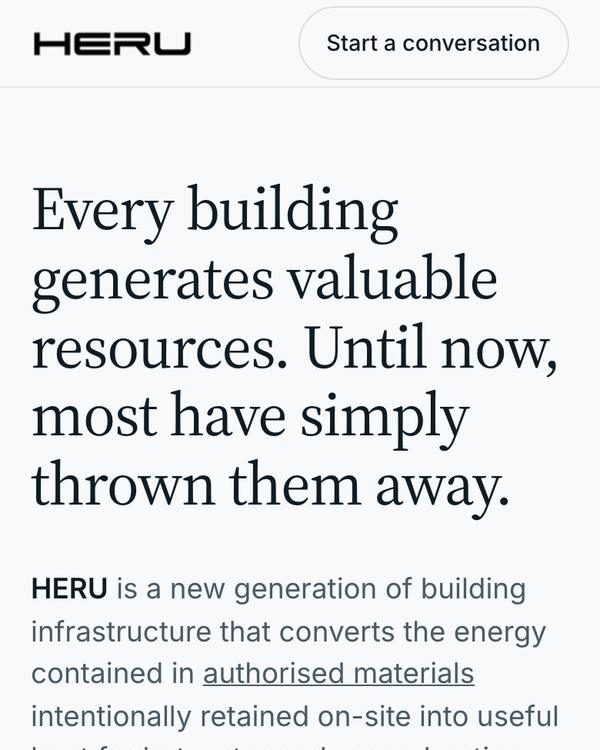
HERU
Building infrastructure, Bidford-on-Avon
“If you're a small business needing a website, I'd definitely recommend him.”
Read it in full
Brilliant website and great support throughout. Archie built a new website for my fitness business and I'm really pleased with it. It's clean, looks professional and is easy to find your way around, which is exactly what I wanted.
I'm not techy at all, but Archie helped me through the whole process and explained everything I needed to do in plain English. Nothing was too much trouble. If you're a small business needing a website, I'd definitely recommend him.
I’ll build it first. You decide after.
Tell me the firm’s name, the towns you cover and the work you want more of. I send you three homepage designs within a day, then build the whole website in the one you pick, every page written, usually in about 2 days, and send you a link. Look at it in your own time, with whoever else has a say.
If you want it, it’s £650: a £162.50 deposit once you’re happy with the design, and the rest within 7 days of it going live. If you don’t, say so and it comes down. You pay nothing, and I won’t follow it up.
What is yours, and the small print
- Your domain (your web address, like yourbusiness.co.uk) is bought in your name, on your card. About £10 a year, paid to the company you buy it from, not to me. I send you a one-page guide to buying it.
- Every login is handed over in writing once it is paid for, and the hosting moves to an account in your name at no cost. Nothing is locked to me.
- No monthly fee unless you choose monthly care: £29 a month for up to five changes, stop any time.
- If you change your mind after saying yes, the 25% is kept for the work done. If I can’t get it live for a reason on my side, it comes back in full.
- You pay by bank transfer to the account named on the invoice. My bank details will never change by message.
What builders and property developers need from a website.
Your company name, and something that comes up when it is typed in
Most of your work arrives by recommendation. What happens next is that they look you up before they ring you. If the only thing there is a directory profile you do not control and a Facebook page from three years ago, you are being judged on somebody else’s page. A site with your name on it, the company number, the registered address and the insurance you carry settles the question in about four seconds. That is the whole job of the front page.
Photographs of work you have actually done, with the where and the what
Not a stock shot of a kitchen. The house, the scaffold, the steel going in, and the same room finished. Say where it was and roughly what it was: a two-storey rear extension in Alvechurch, a re-roof in Catshill. That is the difference between a gallery and evidence. If you are developing rather than contracting, the same pages do a second job: a finished plot with its own photographs, floor plan and EPC is something an agent can forward to a buyer the day it is ready. And if you have no photographs yet, the site is built to look finished without them, with each picture sitting in a slot a real photo drops straight into later.
A list of the work you take, and by implication the work you do not
“All aspects of building work” gets you rung by somebody who wants a shed felt replaced. Six named services with the jobs written underneath each one does the filtering before the call reaches you: new homes, extensions and renovations, structural openings and steels, roofing, kitchens, groundworks. It also gives people the words they are already searching with. Strike anything you do not do: a service listed is a quote you will end up going out for.
The towns you work in, in plain text on the page
Nobody searches for “builder”. They search for “builder in Bromsgrove” or “extension Droitwich”. If those place names are not written on your site, you are not in that search at all. A stated radius does the reverse favour too: it stops somebody forty miles the wrong side of the motorway asking you to price a job you were never going to take.
How the money works, said out loud
Homeowners have read the stories. They have been told that ten or twenty per cent up front is normal on a big job, and that anybody asking for half is a warning. Putting your own payment stages on the page, what is due when, tied to work finished rather than to dates in a diary, takes the largest worry off the table before you have even met. The firms that say it plainly get the job over the firm that goes quiet when asked.
A quote form that asks the questions you would ask on the phone
Most builder enquiries are useless because the form had three boxes in it. Yours asks the address, what stage they are at, nothing yet, drawings drawn, planning approved, building regs submitted, roughly when they want to start, and roughly what they have to spend. You read one message and know whether it is worth a site visit. The ones with no drawings and no budget still get a polite reply, but they stop eating your week.
What usually goes wrong.
Already got a website? Check your current one
The commonest problem by a long way is that there is nothing there at all, so the firm is judged on a Facebook page and a directory listing it does not own.
After that it is the same handful every time. A phone number typed as ordinary text instead of a link, so it cannot be tapped to call by somebody standing on a driveway. Five photographs with no captions, two of them lifted from a manufacturer’s brochure, and one that is plainly somebody else’s job.
No town named anywhere, so the site never appears for the search that matters. “All aspects of building work” where a list should be. A hotmail or btinternet address sitting next to a quote for forty thousand pounds. And a theme-built site dragging a megabyte of sliders and web fonts down a slow connection, which means the page is still blank when the person gives up and rings the next firm.
Fair questions, answered plainly.
What builders and property developers ask before they get in touch, with straight answers.
Guides
Similar businesses
Fair questions
What should a builder’s website include?
Your company details and insurance, photographs of your own jobs with where and what they were, the work you take on, the towns you cover in plain text, how your payments are staged, and a quote form that asks what you would ask on the phone.
Most of my work is word of mouth. Do I still need a website?
Yes. The person you were recommended to looks you up before they get in touch, and the website is what they find. More on why word of mouth still needs a website.
I don’t have many photos of my work. Is that a problem?
No. The site is built to look finished without them, with each picture sitting in a slot a real photo drops straight into later.
How much does a website for a building firm cost?
£0 to see it. £650 for the website built and live on your own domain: £162.50 when you say yes and £487.50 within 7 days of it going live. Or £900 with a year of changes, up to five a month. A one-page website is £350.
How long does it take?
Three homepage designs within a day, then usually about 2 days to build. Then you look at it in your own time, before deciding anything. Once you say yes, it goes live within 3 working days of your last change, and within 14 days at most.
What’s the catch?
Here is everything it can cost you. If it’s a no, nothing. If it’s a yes, 25% to go ahead: it is kept if you change your mind before the site goes live, and refunded in full if I can’t get it live for a reason on my side. The rest is due within 7 days of it going live. Your domain is about £10 a year, paid by you. Changes after it goes live are £50 for up to five, unless you have the year of changes or monthly care, and you send them to me: there is no editor to log into. And nobody can promise you a place on Google, me included.
yourbusiness.co.ukNot built yet
Send me your business and I’ll build it.
Your business name, what you do and where. That is enough to start. I build it, send you the link, and it costs you nothing to see it.
You deal with me, Archie Spencer. I build every site myself. I reply within 24 hours.
Said yes on a call already? You don’t need this form. Your link comes through on WhatsApp.
Got it, thank you. It has come straight to me.
I reply within 24 hours. Within a day I send you three homepage designs. Pick one and I build the whole website, usually in about 2 days. Nothing is payable unless you want it.
Got photos or a logo? Send them on WhatsApp, or email archie@archiespencer.com.
Send photos on WhatsApp